
Many people, when they hear the word philanthropy, picture extraordinarily wealthy people with names like Buffett, Gates, or Rockefeller making astronomically large charitable gifts. However, you don’t need to be a billionaire to make a significant difference in your community with your giving.
Rather, through compounding, intentional giving, and using a Donor-Advised Fund (DAF), you can do the same.
How Compounding and Intentional Giving Empowered Maine Philanthropy
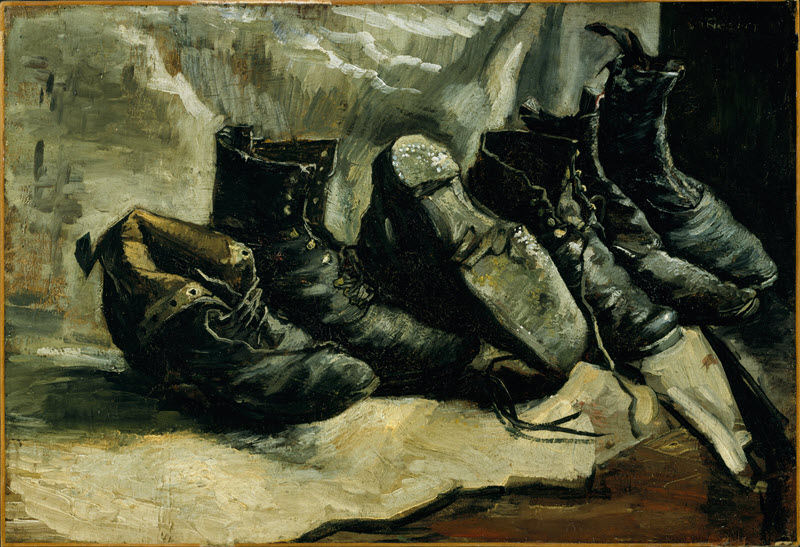
Take this article by Andy Serwer in Barron’s titled “Warren Buffett’s Worst Deal Benefits This Place the Most.” Yes, it begins with Warren Buffett and his infamous Dexter Shoe acquisition—an investment Buffett has called one of the worst mistakes of his career. Why? Because Buffett paid for the Dexter Shoe acquisition in Berkshire Hathaway stock rather than cash.
The real story here isn’t about billions of dollars lost. It’s about what happened after the deal, and the considerable philanthropy it powered. The stock Dexter Shoe owner Harold Alfond received in exchange for his company ultimately became the foundation for decades of investment in Maine’s hospitals, colleges, workforce development, and children’s education.
The lesson isn’t simply that great wealth can change communities. Rather, it’s that patient investing and intentional giving can create lasting impact—regardless of your portfolio’s size.
The Alfond Story Is Really About Compounding
The Harold Alfond Foundation didn’t simply write checks. It invested in Maine institutions that would continue producing value for generations:
- Universities
- Community colleges
- Hospitals
- Workforce development
- Children’s education savings
Every dollar was intended to create additional opportunities long after the original gift was made.
By the way, that’s remarkably similar to Warren Buffett’s own investment philosophy. Buffett believes in buying exceptional assets and allowing them to compound over decades.
>> See Why Modern Value Investing and Being a Contrarian Go Hand in Hand
Including Applying Compounding to Communities
The Alfond Foundation applies that same principle to communities. Instead of compounding capital alone, it compounds:
- education
- health
- opportunity
- economic development
- future charitable giving
That’s a powerful idea for any charitable investor.
You Don’t Need a Billion Dollars to Think Like a Foundation
Perhaps you’re thinking that you need a foundation to do this kind of thing, and that foundations are for billionaires. Not anymore.
Today, one of the most effective charitable planning tools available to investors is the Donor-Advised Fund (DAF).
A donor-advised fund is a charitable giving account established through a public charity. You make an irrevocable contribution, may qualify for an immediate tax deduction, and then recommend grants to qualified charities over time. The sponsoring organization retains legal control of the assets, while you retain advisory privileges regarding grants. It administers the grants from your DAF account, does due diligence, and ensures the grants meet IRS criteria. Think of it as creating your own charitable foundation.
>> Source: IRS: Donor-Advised Funds
A Donor-Advised Fund Works Much Like an Investment Portfolio
Instead of making charitable gifts one at a time, a DAF allows you to separate when you receive a tax deduction from when charities receive grants.
The process is straightforward:
- Contribute cash or appreciated investments.
- Receive a charitable deduction (subject to applicable tax rules).
- Invest the charitable assets for potential tax-free growth.
- Recommend grants to charities whenever you’re ready.
Over time, your charitable capital can grow before being distributed. That is exactly the power of compounding that Buffett has championed throughout his career.
>> See DAF Giving 360 from Schwab
Imagine Your Own “Mini Foundation”
Most families already have retirement accounts, college savings accounts, and taxable investment accounts. Why not also create a charitable account and involve your family? A donor-advised fund can become a family’s philanthropic center. Imagine gathering each December and asking:
- Which local organizations made a difference this year?
- Which causes reflect your family’s values?
- Should you support scholarships?
- Food insecurity?
- Veterans?
- Animal rescue?
- Local arts?
- Community healthcare?
Children and grandchildren can participate in those conversations long before they inherit wealth. In many ways, the conversations become as valuable as the grants themselves.
Your Greatest Asset May Be Appreciated Investments
Many investors give cash. Often, appreciated securities can be more tax-efficient. Contributing long-term appreciated stock to a donor-advised fund may allow you to:
- avoid capital gains tax on the appreciation,
- receive a charitable deduction based on the asset’s fair market value (subject to tax rules),
- preserve more dollars for charitable purposes.
For investors with concentrated stock positions or highly appreciated investments, this can significantly increase charitable impact.
Be Intentional and Start Local
One of the most compelling lessons from the Alfond Foundation is its focus. Nearly all of its giving has remained in Maine. That concentration has created visible, measurable results. Most families can apply the same philosophy.
Ask yourself:
- Which organizations make your town stronger?
- Which nonprofits create measurable outcomes?
- Where can your family become long-term partners instead of occasional donors?
Examples might include:
- local education foundations
- food banks
- libraries
- volunteer fire companies
- youth sports
- land conservation groups
- community health organizations
- workforce development programs
- historical societies
- arts organizations
The goal isn’t simply to donate. Rather, the goal is to become invested in your community’s future.
Think Beyond Annual Giving
Many charitable gifts are reactive, based on when a friend asks, a fundraiser arrives, and/or a disaster occurs. Those gifts matter. But strategic philanthropy asks different questions:
- What change do we hope to create?
- Which organizations consistently deliver results?
- How can our giving grow over time?
- How do we involve future generations?
A donor-advised fund encourages this longer-term perspective because charitable assets can remain invested until opportunities arise.
Philanthropy Can Become Part of Your Financial Plan
A charitable strategy should not exist separately from your investment strategy. Instead, consider integrating it into major financial events, such as:
- selling a business,
- exercising stock options,
- large bonus years,
- retirement,
- inheritance,
- required portfolio rebalancing,
- gifting highly appreciated securities.
These moments often present opportunities to make charitable giving both more impactful and more tax-efficient. The specific strategy depends on your financial circumstances, so it’s essential that you coordinate with your tax advisor and financial planner.
The Legacy You Leave
Warren Buffett’s Dexter acquisition became one of history’s most expensive investment mistakes.
Yet because Harold Alfond held onto Berkshire Hathaway stock and committed much of its value to his home state, that mistake became an extraordinary source of opportunity for generations of Maine families.
Most of us will never create a billion-dollar foundation. We don’t have to. The real lesson from the Alfond story is not about the size of a gift. It’s about the discipline behind it.
- Consistently invest in your community,
- Teach the next generation about generosity,
- Give thoughtfully over decades,
- And leave a legacy far larger than the dollar amount of any single donation.
Compounding works in investing; it also works in generosity.
Let’s have a conversation about philanthropy and how you might benefit from creating your own Donor-Advised Fund.
Thanks for reading.
Disclosure: This article is for educational purposes only and should not be considered tax, legal, or investment advice. Charitable giving strategies, including the use of donor-advised funds, should be evaluated in consultation with your financial advisor, tax professional, and estate planning attorney based on your individual circumstances.
Image Credit: Three Pairs of Shoes, Vincent Van Gogh, painting, 1886-1887, Harvard Art Museums/Fogg Museum, Bequest from the Collection of Maurice Wertheim, Class of 1906